Immediate answer: What this means for Indian consumers
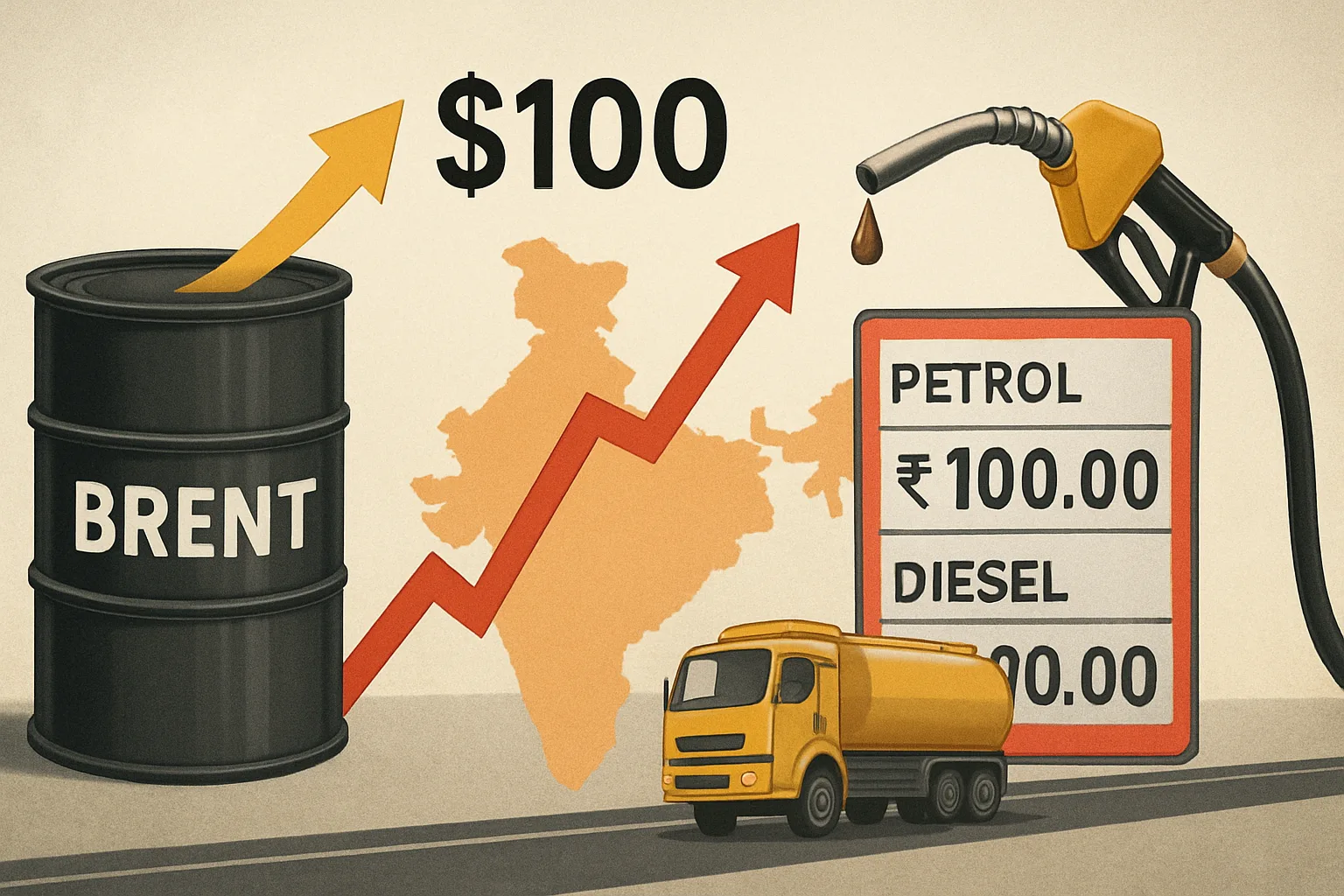
Brent crude crosses $100, and the immediate implication for many Indian households is clear: pressure on retail petrol and diesel prices. While domestic pricing formulas are complex, a sustained crude price above $100 per barrel typically filters through to higher pump prices, larger transport bills, and incremental inflationary pressure for everyday goods.
How Brent crude influences Indian pump prices
The mechanism is straightforward yet layered:
- International crude benchmarks such as Brent set the global price that refiners pay for crude oil.
- Refiners process imported crude and add refining margins, shipping costs, and duties.
- State and central taxes, dealer commissions, and retailer margins are then layered to reach the retail pump price.
Therefore, when Brent rises past major psychological and cost thresholds like $100 per barrel, each link in the chain faces upward pressure. Over time, that is likely to be reflected at the pump.
Geographic and geopolitical context: the US–Iran flare-up
Tensions between the United States and Iran can increase the risk of supply disruptions in the Middle East — a region that remains central to the global oil trade. Shipping route risks, insurance cost spikes for tankers, and potential production interruptions are among the transmission channels that can push Brent higher.
Policy levers available to the government
Policymakers have a toolkit to manage the consumer impact:
- Tax adjustments: Reductions in central excise or state VAT can provide quick relief at the pump.
- Buffer releases: Strategic petroleum reserves and regulatory stock releases can moderate short-term price spikes.
- Targeted subsidies: For vulnerable households, direct cash transfers or targeted fuel subsides can shield the poorest.
Each option has trade-offs, including fiscal cost, market distortion, and administrative complexity.