Immediate facts and timeline
### What we know now
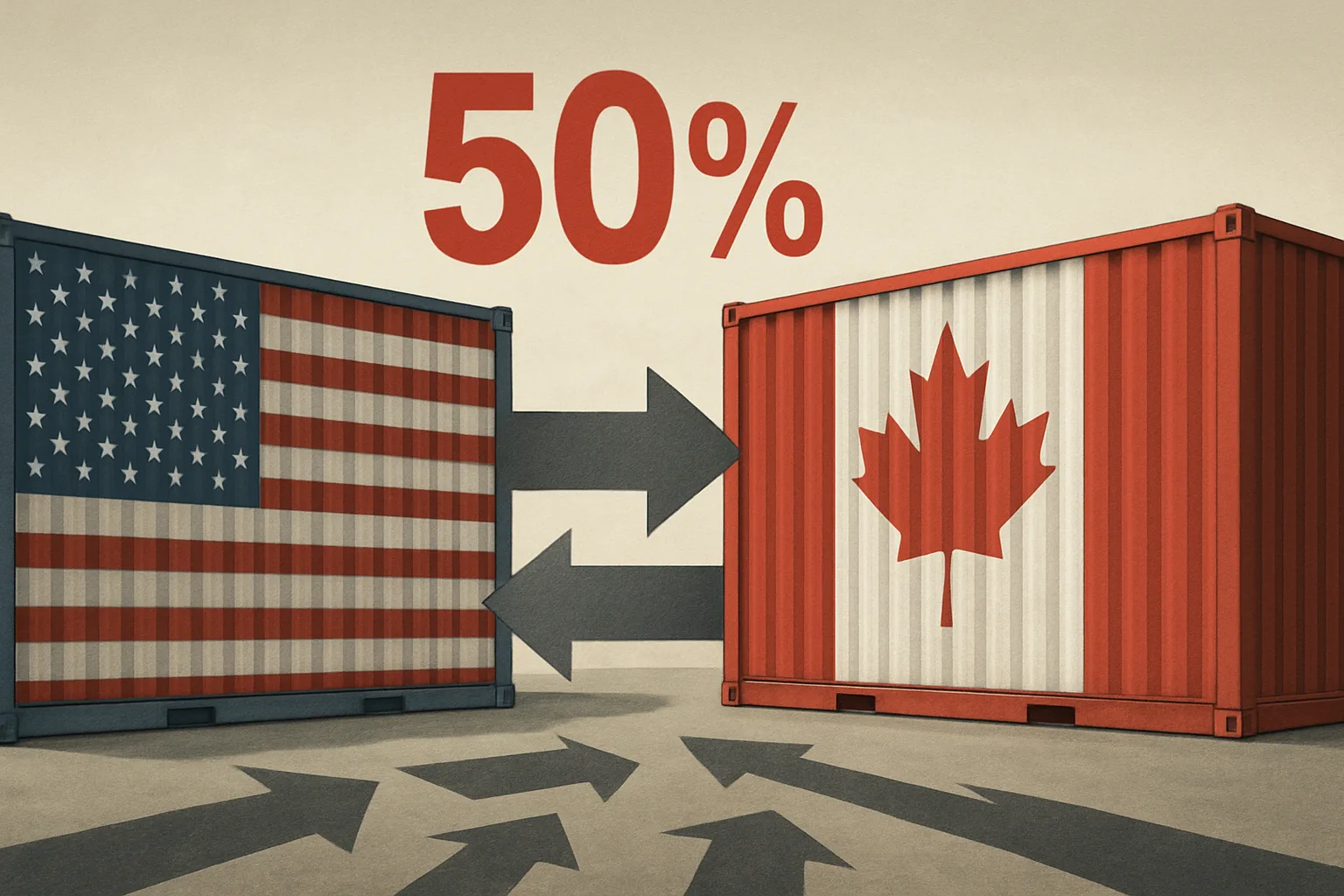
- The U.S. imposed 50% tariffs on specified Canadian goods after trade talks failed.
- Canada announced dollar-for-dollar retaliatory tariffs to begin on September 8.
These are the central factual developments driving the current escalation in the U.S.–Canada trade war.
Economic ripple effects to expect
High tariffs act like steep taxes on cross-border commerce.
- Consumer prices can rise if importers pass through costs.
- Manufacturers dependent on cross-border inputs may face interruptions and higher production costs.
- Market volatility often increases as investors price in potential economic slowdown.
Companies should model three- to six-month scenarios for cash flow and supply continuity.
Political calculus behind the moves
Tariffs are political tools as much as economic ones.
- The United States appears to be applying pressure after negotiations faltered.
- Canada’s matching, dollar-for-dollar posture signals a defensive strategy aimed at domestic audiences and negotiation leverage.
Expect rhetoric and negotiation positions to harden before any compromise is reached.
Legal avenues and international ramifications
High unilateral tariffs may prompt formal disputes under international trade institutions.
- WTO complaint or counter-complaint is a likely path, though it can be lengthy.
- Legal outcomes will shape whether measures are temporary or become entrenched.
Monitoring filings and case developments will be essential for long-term forecasts.
What businesses should do now
Practical immediate steps:
- Audit exposure to affected tariff lines and identify top-line impacts.
- Speak to customs brokers and legal counsel about classification and exemptions.
- Contact suppliers about contingency plans and inventory adjustments.
- Communicate transparently with customers about potential delays or price changes.
Acting promptly can reduce supply-chain damage and preserve customer trust.