Quick answer: are Nepal flood rescue stories really going viral?
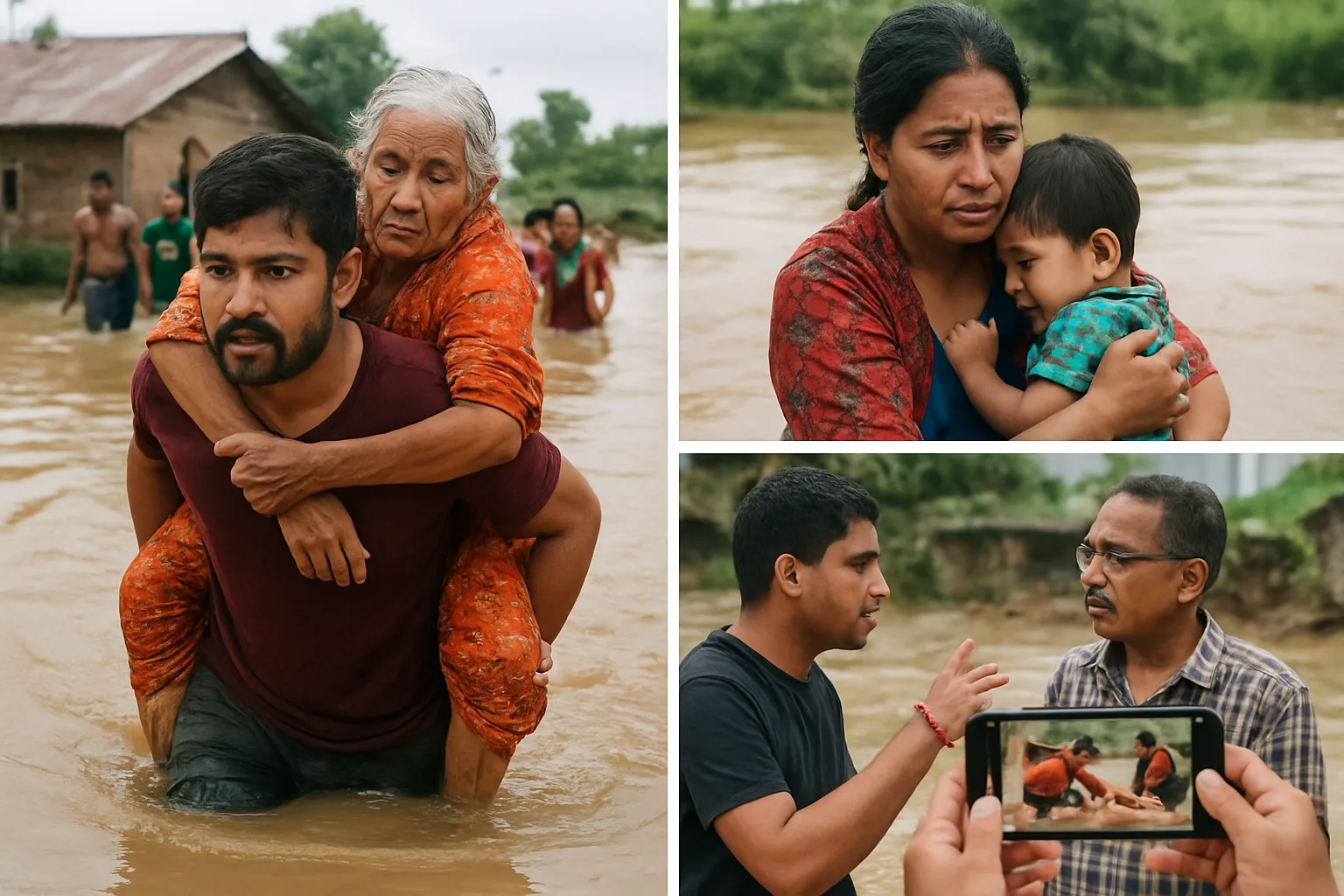
Yes. Nepal flood rescue stories are appearing widely across social platforms and news feeds, shared as emotional short clips and first-person accounts that document roof-top rescues, community solidarity, and the immediate aftermath of flash floods.
These posts are not just eyewitness records; they have become a catalyst for assistance, conversation, and controversy. Below, you will find a detailed look at how these videos spread, who appears in them, the responses they have prompted, and the questions they raise about safety and representation during disasters.
Why these videos spread so fast
- Short, emotional clips perform well on social media because they convey urgency and human connection.
- Scenes of direct rescue — people pulled from rooftops, boats navigating narrow lanes, neighbors forming human chains — make compelling visual narratives.
- Hashtags and resharing by influencers and diaspora networks multiply reach quickly.
These dynamics explain why content labeled as Nepal flood rescue stories moves from local WhatsApp groups to broader timelines within hours.
What the most-shared clips typically show
- People standing on roofs or clinging to trees waiting for help.
- Neighbors improvising boats, ropes and makeshift rafts to retrieve families and belongings.
- Local volunteers and small rescue teams carrying the elderly and children to safer ground.
Viewers often respond emotionally to these scenes. In many instances, clips highlight the raw human instinct to help, rather than formalized rescue operations.
How social media both helps and complicates rescue narratives
Social platforms amplify needs: posts with clear locations, contact numbers and urgent calls for help can accelerate relief offers and fundraising. However, rapid sharing also creates room for misinformation and privacy concerns.
- Misplaced or outdated clips resurfacing as current emergencies.
- Sensational captions that distort context or dates.
- Privacy concerns when people in vulnerable moments are filmed without consent.
Practical tips for readers who want to help after seeing a viral clip
- Confirm the authenticity and location of the clip before donating.
- Prefer established humanitarian organizations and known local groups for contributions.
- Share verified updates rather than unverified rumors.
- If you are in the area and able to help safely, coordinate with local leaders rather than improvising solo interventions.