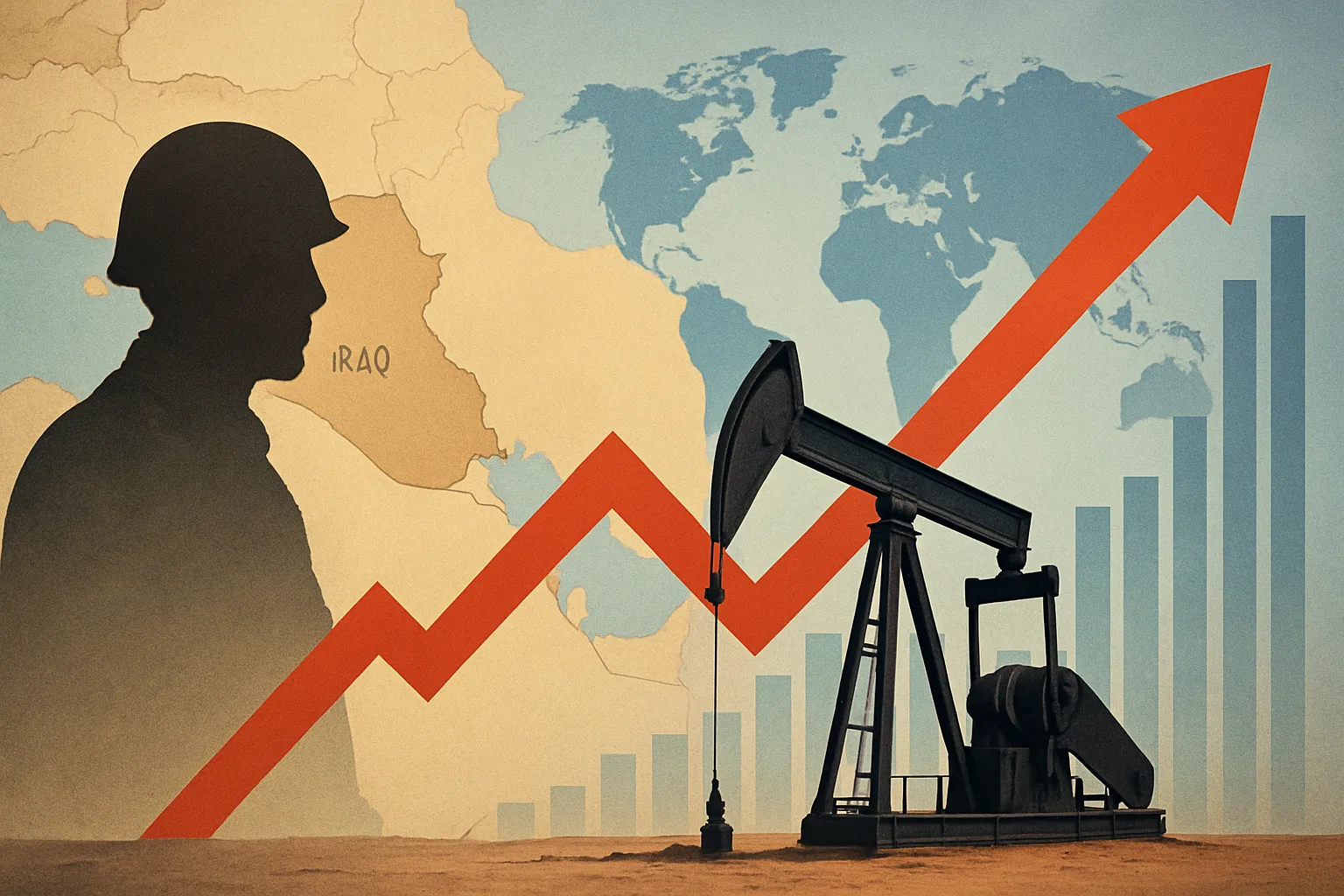
What drove the sudden rise in Middle East oil prices
The immediate answer is straightforward: when tensions in or near major oil-producing corridors intensify, market participants often price in a premium for potential supply interruption and logistical risk. This dynamic is the primary driver behind the recent uptick in Middle East oil prices.
- Geopolitical escalation in strategic oil-producing areas tends to increase the perceived risk of supply disruption.
- Traders reacted to heightened uncertainty by bidding up futures and seeking safe positions.
Geopolitical risk and oil supply
Geopolitical events that threaten production, export routes, or the safety of infrastructure create a risk premium on oil. This premium reflects the market’s assessment of the chance that flows could be interrupted or that shipping and insurance costs could rise.
- Key factors that elevate the premium include proximity to export terminals, threats to shipping lanes, and damage to export infrastructure.
- Even where physical output is unchanged, perceived risk can be sufficient to move prices.
Market reaction and volatility
Energy markets reacted quickly: futures contracts became more volatile, trading volumes for near-term contracts rose, and market participants adjusted hedging strategies.
- Volatility often spikes as short-term traders and hedgers reallocate positions.
- Liquidity patterns can change, with heightened activity in shorter-dated contracts and options used to manage downside risk.
Inflation implications and consumer impact
A sustained rise in Middle East oil prices tends to ripple through consumer prices because fuel is a direct input to transportation and an indirect input to many goods and services.
- Higher wholesale fuel costs can feed into retail gasoline prices, freight rates, and production costs for energy-intensive industries.
- Central banks monitor energy-driven price pressures closely because they can influence headline inflation and inflation expectations.
Policy and industry responses
Producers, consumers, and policymakers typically consider several tools to manage the effects of an oil-price spike:
- Producers may signal readiness to adjust output where possible.
- Energy-importing governments can release strategic reserves to temper price spikes.
- Central banks will weigh energy-driven inflation against broader growth objectives.
Market commentary indicates participants are watching both producer communications and potential coordinated actions, though direct intervention depends on the scale and persistence of the shock.
Short-term outlook and indicators to watch
Several near-term indicators will clarify whether the recent surge in Middle East oil prices is temporary or the start of a longer trend:
- Official production and export notices from regional producers.
- Shipping and insurance cost movements for tanker routes.
- Futures curve behavior — whether the market moves from a short-term premium into a structural re-pricing.
- Inventories reported by major energy agencies.
If inventories remain ample and producers maintain flows, price pressures may moderate. Conversely, any confirmed disruption to shipments or prolonged tensions could keep the premium elevated.
What this means for businesses and consumers now
- Businesses with significant fuel exposure should revisit hedging strategies and cash-flow stress tests.
- Consumers could see higher pump prices if the spot and wholesale increases persist into retail markets.
- Sectors such as transport, chemicals, and heavy industry are particularly sensitive to energy-cost shifts.
In practical terms, watch near-term price signals and official inventory releases for the first substantive evidence of either calming or escalation.